Posts tagged with Architecture
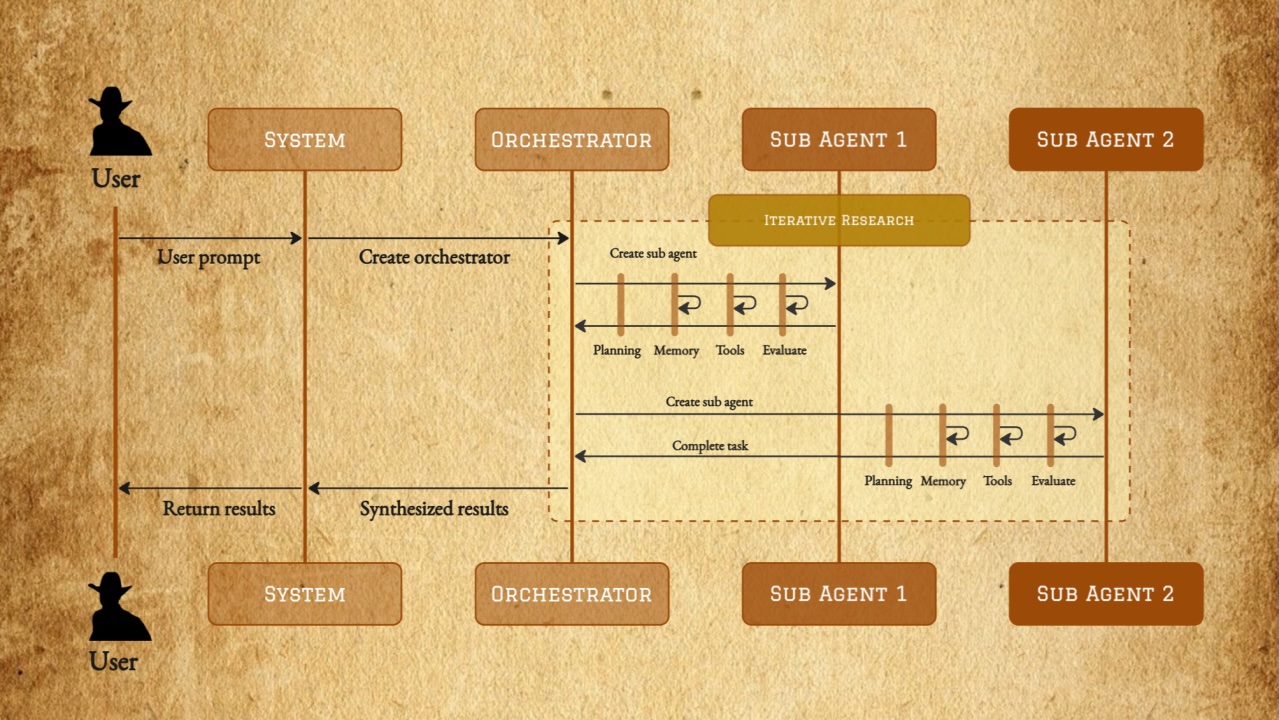
The Next AI Breakthrough Is Old-Fashioned Software Engineering
The next AI breakthrough won't be smarter models but reliable ones. Like self-driving cars, progress of AI agents means consistency over demos. The future of AI lies in disciplined software engineering, building agents that work safely and predictably every time, not just sometimes.

A Brief History of Scaling Uber
On a cold evening in Paris in 2008, Travis Kalanick and Garrett Camp couldn't get a cab. Fast forward to today where Uber is the largest mobility platform in the world, in over 70 countries, 10,500 cities, and 130 million users. Here's the story of the key moments in scaling Uber engineering ...

A Brief History of Scaling LinkedIn
LinkedIn's scaling journey began with a single application and evolved into a microservices architecture, enhancing scalability and reliability. This transition involved the introduction of technologies like Kafka for data streaming and Rest.li for API interactions, showcasing the need for ev...
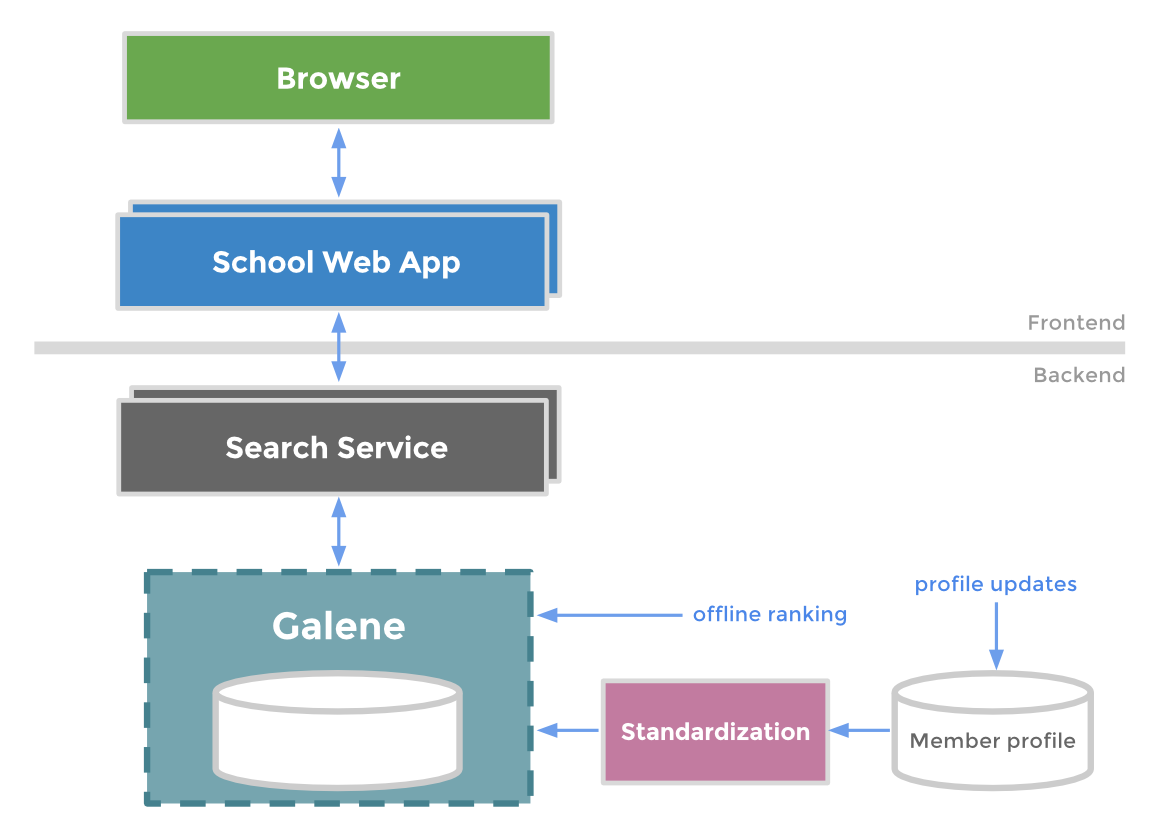
Field of Study Explorer - Data Insights for Students
A post I wrote on the LinkedIn Engineering Blog that documents my team’s work building powerful searching tools for students and alumni. This post walks through how we standardize our profile data, leverages the latest in LinkedIn search technology, and provides a powerful visual to LinkedIn...

Building LinkedIn University Pages
A post I wrote on the LinkedIn Engineering Blog that documents my team’s work building Unversity Pages for LinkedIn. This post surveys the engineering and data pipelines that goes into a modern LinkedIn product like University Pages.
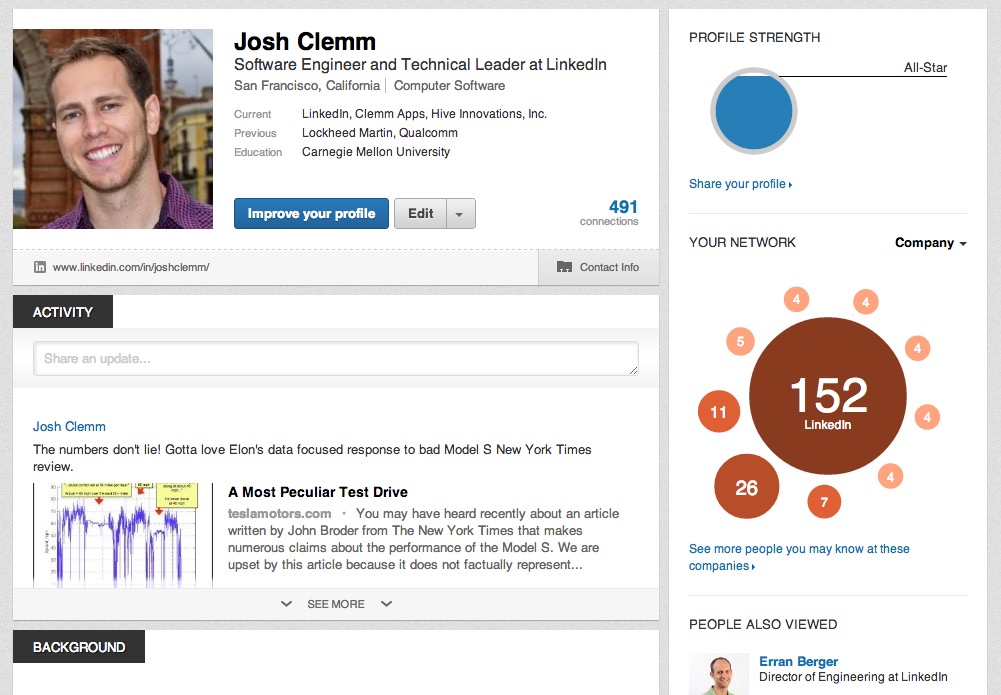
Engineering the New LinkedIn Profile
This post I originally wrote on the LinkedIn Engineering Blog that documents my team’s journey rewriting LinkedIn’s main member profile page. It’s a combination of a brand new design, numerous new product features, and a brand new frontend architecture. This architecture uses a custom Java we...